Key Takeaways
- Founders should hire for ownership, communication, and judgment, not just coding output.
- A weak brief creates weak hiring decisions because nobody really knows what success looks like.
- The wrong developer hire costs time, roadmap momentum, and founder attention.
The biggest mistake happens before the interview
Founders often think hiring problems begin when they choose the wrong person.
In reality, the first mistake usually happens earlier: the role is unclear.
If the brief sounds like "we need a developer to build our app," the hiring process is already weak. That statement hides too much:
- What exactly needs to be built?
- What has to ship first?
- Who is making product decisions?
- How fast does this need to move?
- How much ambiguity is the developer expected to handle?
Without those answers, founders end up evaluating resumes instead of delivery fit.
Strong startup hires reduce decision load
The best developers for early-stage companies do more than write code.
They reduce decision load.
They ask the right questions. They challenge unclear requirements. They turn vague goals into execution steps. They help founders understand tradeoffs between speed, quality, and future flexibility.
That matters because startups rarely have perfect specs. They have moving priorities, limited budgets, and constant pressure to launch.
If a developer needs every detail pre-written before they can move, the founder becomes the bottleneck.
Founders often overvalue resumes and undervalue communication
A polished resume can look safe. A famous company name can look impressive.
But startup execution is not the same as working inside a big team with strong process.
Founders should pay close attention to:
- How clearly the developer explains tradeoffs
- Whether they can simplify scope
- Whether they ask product questions
- Whether they communicate risk early
- Whether they can work with uncertainty without creating chaos
Those signals usually matter more than pedigree.
A Practical Filter
If a developer cannot explain how they would reduce scope, reduce risk, or reduce launch time, they are probably not thinking like an early-stage builder.
Cheap hiring signals usually create expensive delivery
Many founders say they want a senior developer, but the selection process optimizes for lowest price instead.
That usually leads to:
- Slower than expected delivery
- More rework
- Weak architecture choices
- More founder involvement
- A product that looks complete but is hard to grow
That is exactly why cheap developers cost more long-term becomes such a common lesson after the fact.
The right hire is not the cheapest person who says yes. It is the person or team most likely to move the product forward with the least confusion.
Hiring should be tied to a launch plan
The best hiring decisions happen when founders know what the next 60 to 90 days should produce.
That means hiring around outcomes like:
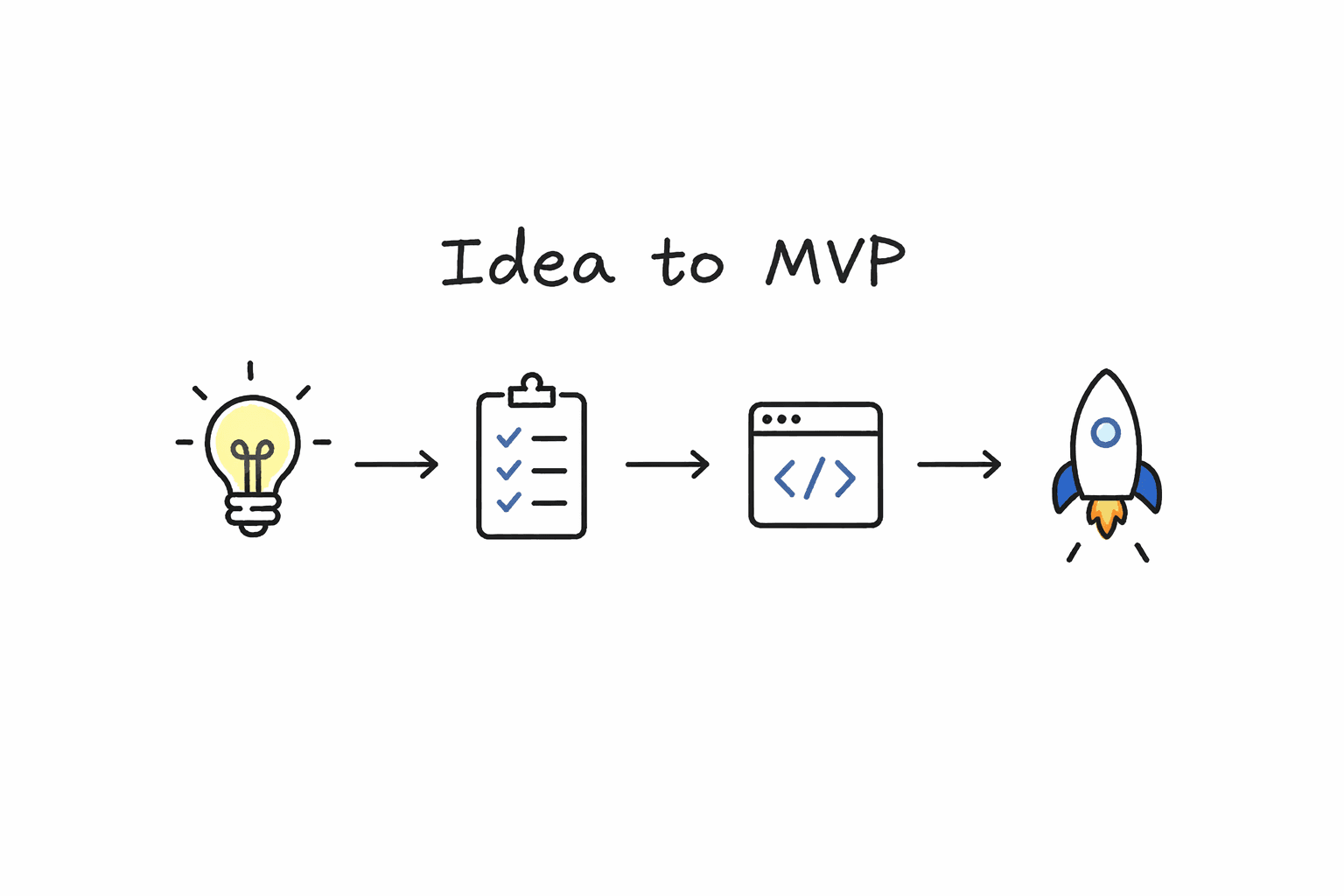
- Launch the MVP
- Ship billing and onboarding
- Stabilize the backend
- Add AI automation to one workflow
When the outcome is clear, it becomes easier to judge whether the developer fits the stage of the company.
Without that clarity, founders end up hiring for generalized potential and hoping execution sorts itself out later.
Good developer hiring is really good business hiring
Founders sometimes treat technical hiring like a separate category from business decisions.
It is not.
A developer hire affects:
- Speed to launch
- Product quality
- Future hiring
- Customer trust
- Burn rate
That means the goal is not just to find someone who can code. It is to find someone who can help the business move with less waste.
The strongest hires create leverage. The wrong ones create management overhead.
Read Next
If this topic is relevant to your roadmap, these related articles are worth reading next.
Why Cheap Developers Cost Startups $50K+ Later (Real Mistakes Founders Make)
A low quote can become the most expensive option once delays, rework, weak architecture, and founder time are counted properly.
From Idea to MVP in 30 Days: Exact Process We Use to Launch Startup Products
The founder-friendly path from rough concept to live product, including validation, MVP scope, stack choices, launch sequencing, and where execution usually goes wrong.
From Vibe-Coded Prototype to Production App: What Most Founders Get Wrong
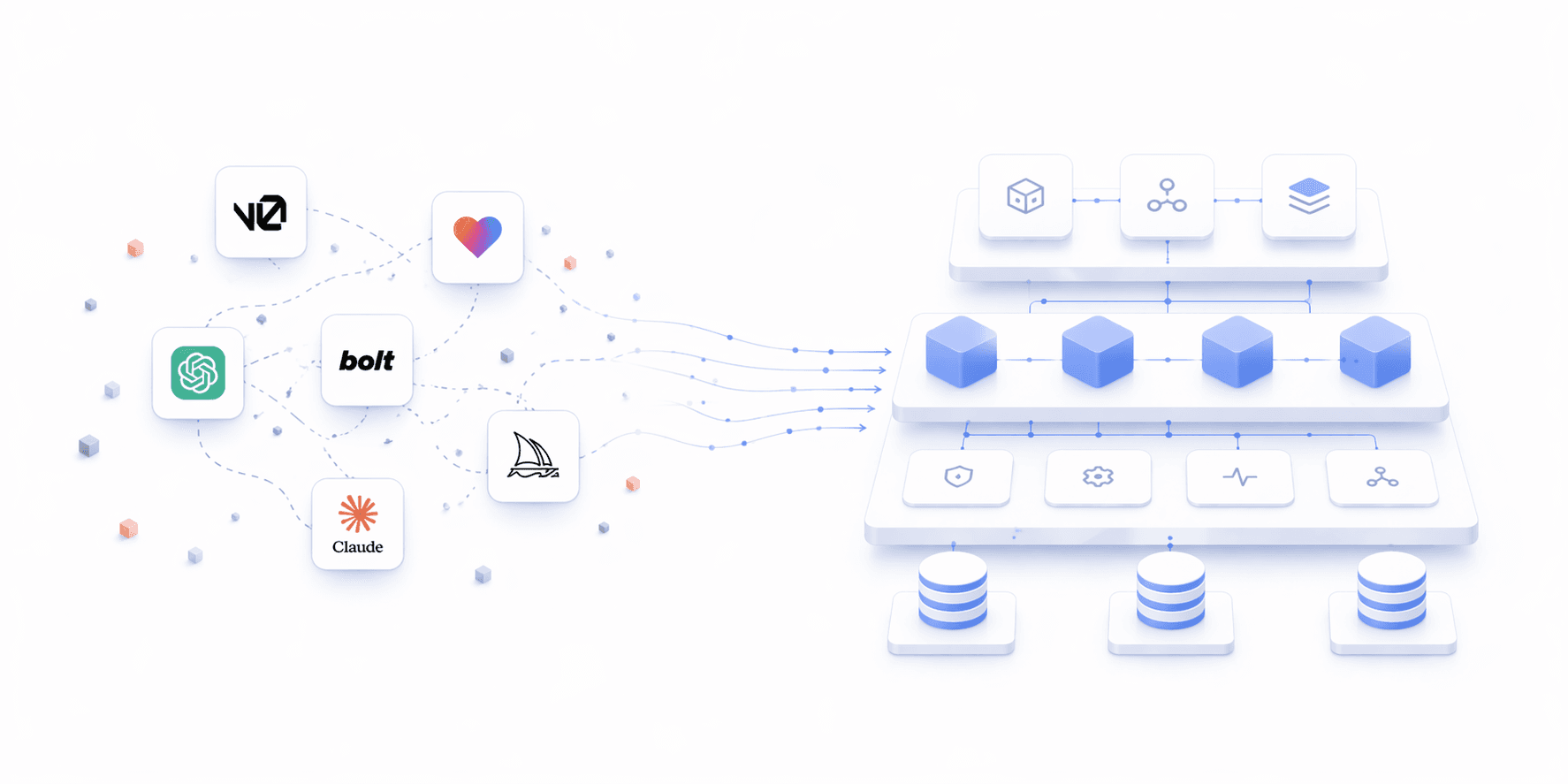
How to turn a fast AI-generated prototype into a stable product with better architecture, auth, data boundaries, observability, and release discipline.
Next Step
Need help building your product?
Talk to our team if you need senior execution without wasting months on the wrong hires.
FAQ